
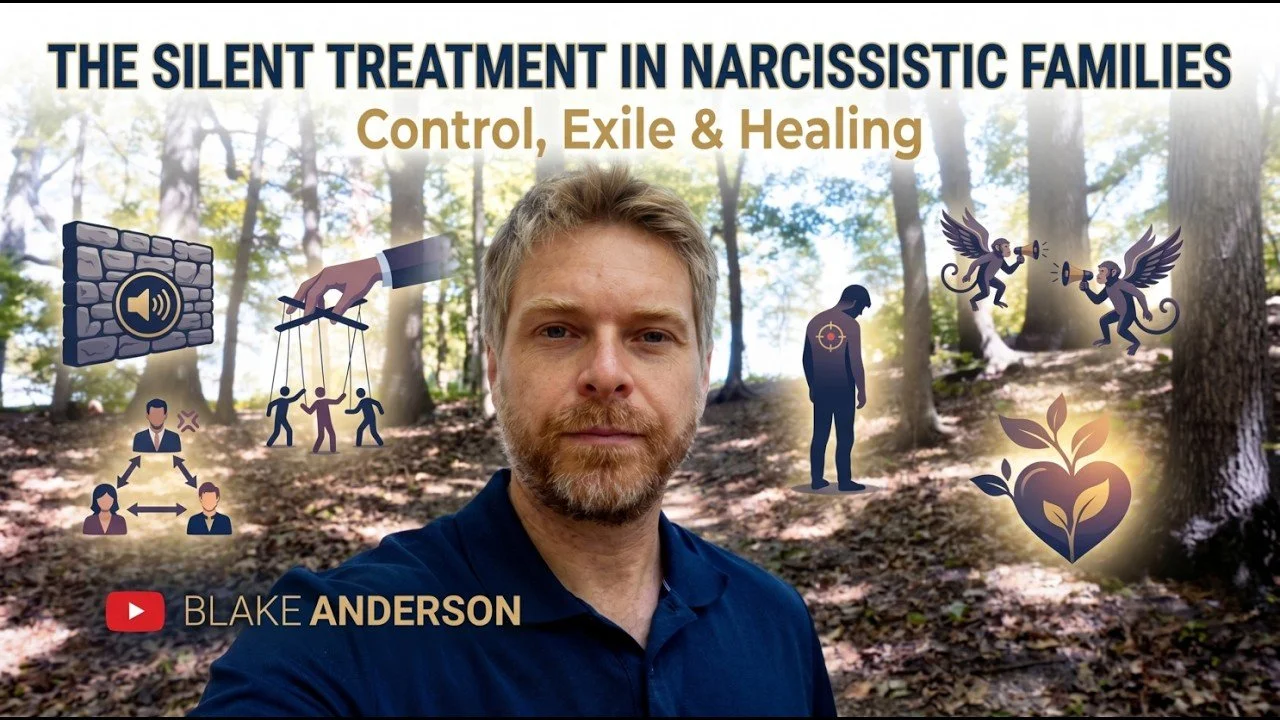
The Silent Treatment in Narcissistic Families
Silence can be an ordinary need for space—or part of a coercive pattern that runs on an attachment wound. Here's how to examine the behaviour over time without treating one episode as a diagnosis.
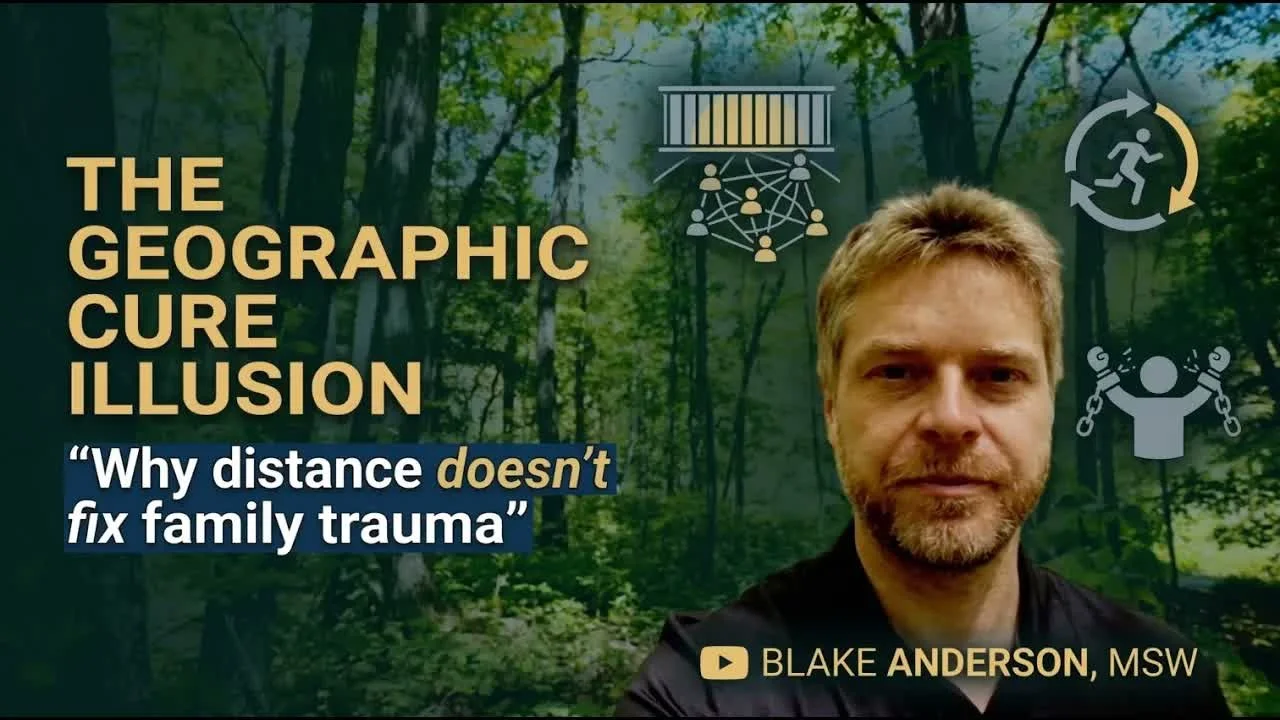
Why It Takes Until Midlife to See a Dysfunctional Family
Many scapegoats don't accurately see their family system until midlife. Here's why the child's own wiring keeps the blinders on for decades — and what the "balcony view" costs, and gives you, once you finally have it.
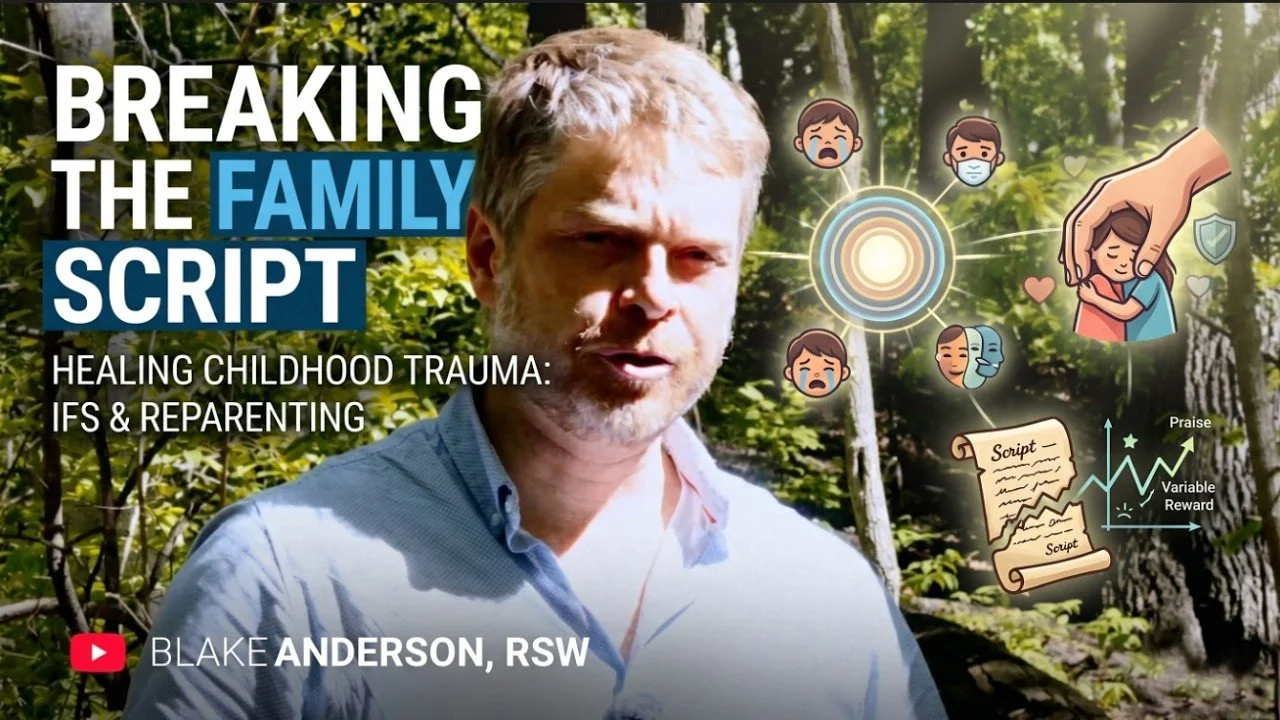
Trapped by Intermittent Reinforcement — and How to Reparent Yourself
In a narcissistic family, the child never knows when love is coming. That unpredictability — intermittent reinforcement — is what keeps you auditioning for affection long into adulthood. Here's how the pattern works, and how you can begin to reparent the child parts still waiting.
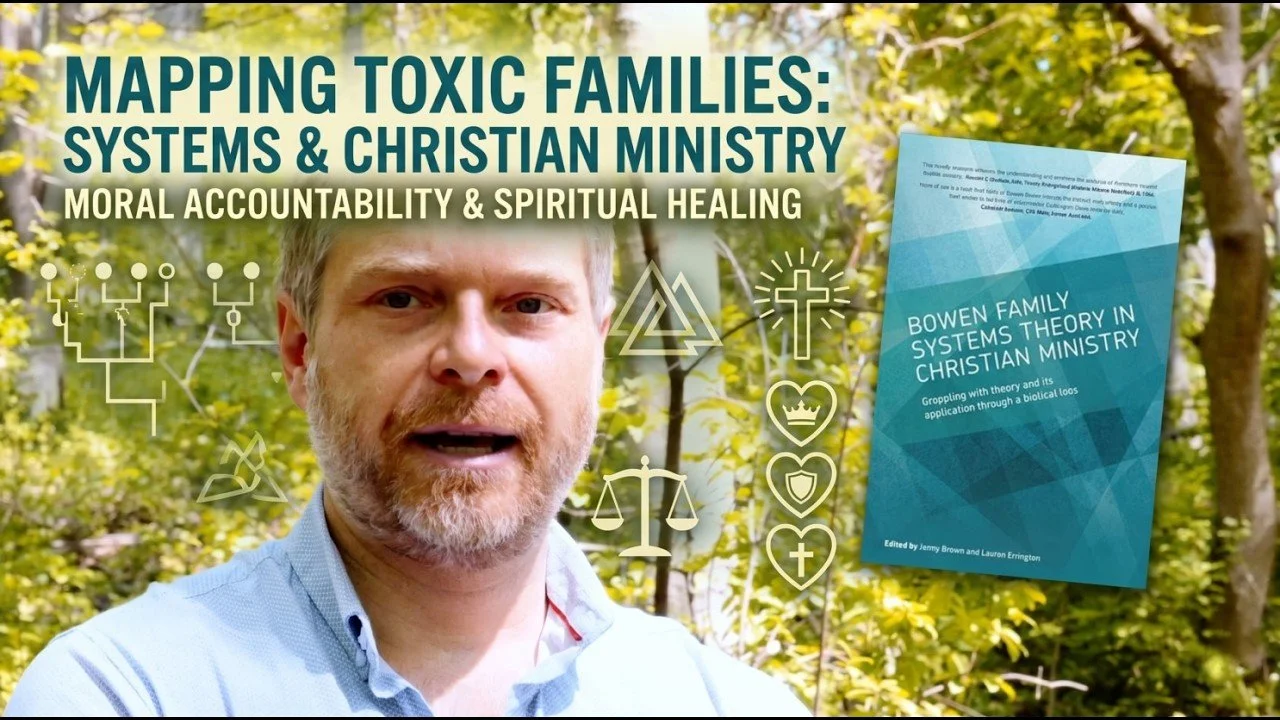
When Systems Aren't Enough: Why Narcissistic Families Require a Moral Lens
Bowen family therapy gives you the map of the system. But a systems map alone can't fully name harm, responsibility, or cruelty. What changes when you set Bowen beside a moral lens — and Kierkegaard's aesthetic, ethical, and religious spheres?
The Sociopath Next Door: Pity and the Smear
In* The Sociopath Next Door, *Martha Stout proposes repeated appeals to pity as a warning sign within a larger pattern of exploitation and evaded accountability. It is a lens for observing behaviour—not a shortcut for diagnosing a parent or sibling.
The Alchemical Scapegoat: Jung's Three Phases of Transformation
Carl Jung used the alchemist's dream of turning lead into gold as a map of the psyche. For the scapegoat who limits or goes no contact, his three phases — the blackening, the whitening, and the reddening — describe the work of integrating your own shadow, and the family's projected shadow, into a higher synthesis of self.

When You Stop Going Back to the Well: The Reality of No Contact
Every time you went back, you thought it would be different. Here's what the journey after limiting or going no contact actually looks like — the hoovering, the double bind, the dark night of the soul, and what slowly gets easier.
The Narcissist as AI: Mirroring, The Matrix, and Breaking the Code
What do large language models and narcissists have in common? More than you'd think. Mirroring, snapshots, code that wants to replicate itself — and why learning to read the code protects your vitality.
Why Narcissistic Families Punish Authenticity
The scapegoat is often attacked for the one thing that should be safest: showing up as themselves. Here's what Jung's idea of the persona explains about the family's false self — and why your authenticity felt like a threat.
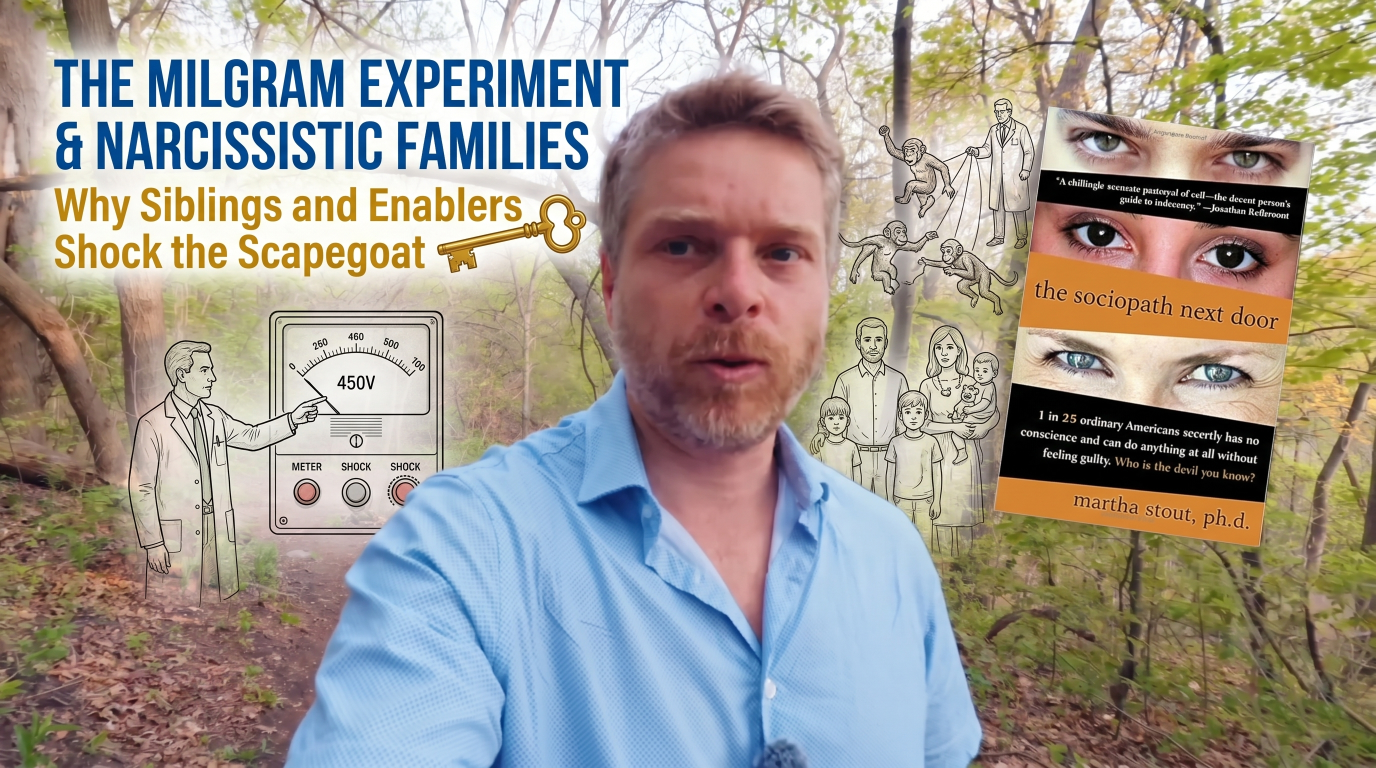
The Milgram Experiment and the Narcissistic Family: Why Siblings Enable the Abuse
Toronto therapist Blake Anderson reads Stanley Milgram's obedience study alongside The Sociopath Next Door — and maps it onto the narcissistic family, the scapegoat role, and the flying-monkey dynamic.
Why You Still React to Narcissistic Parents (Even When You Know Better)
Why head knowledge isn't enough when an inner child still runs the show — how the fantasy bond, the body, and re-parenting actually break the cycle.

The Family System and the Cost of Individuation: When Becoming a Self Becomes a Threat
If your individuation has been treated as a betrayal — pseudo-mutuality, foot soldiers, DARVO, the reveal at the wedding — this is the system underneath. A Toronto therapist's read.
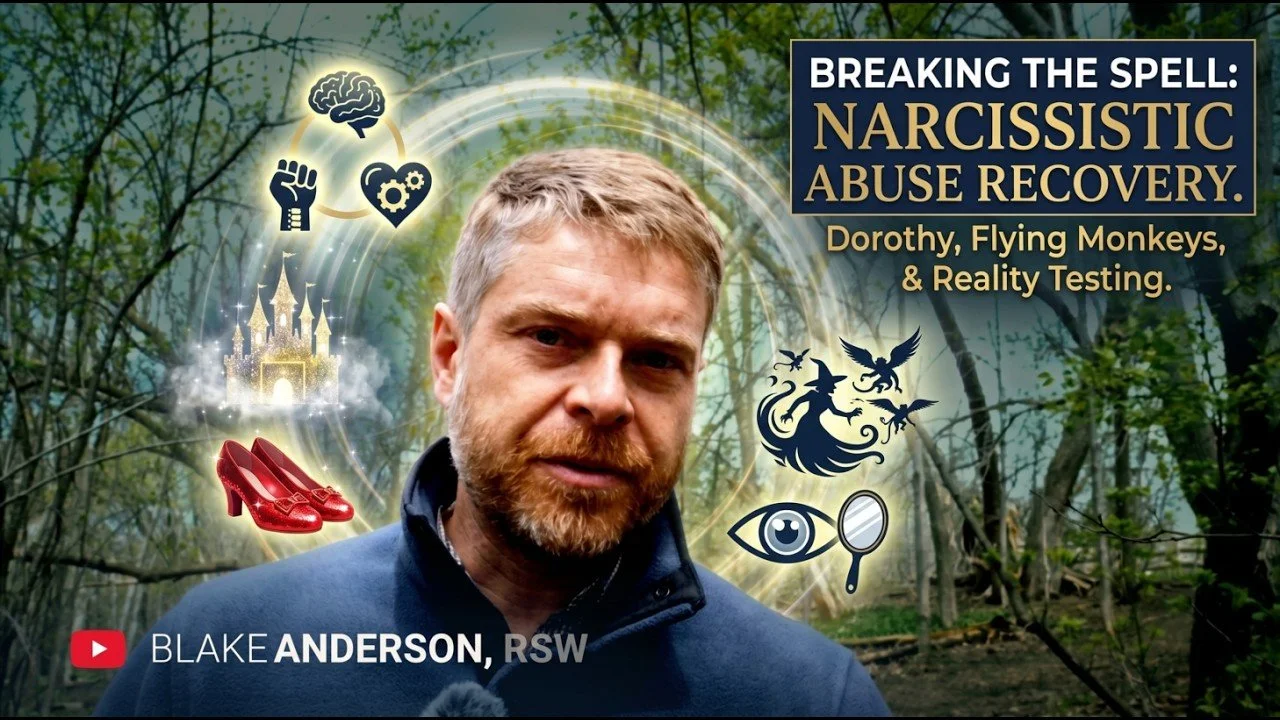
The Wizard of Oz and Other Narcissists: A Therapist's Reading of Dorothy's Journey
Toronto therapist Blake Anderson reads Eleanor Payson's Wizard of Oz and Other Narcissists as a map of the scapegoat's journey through narcissistic abuse.
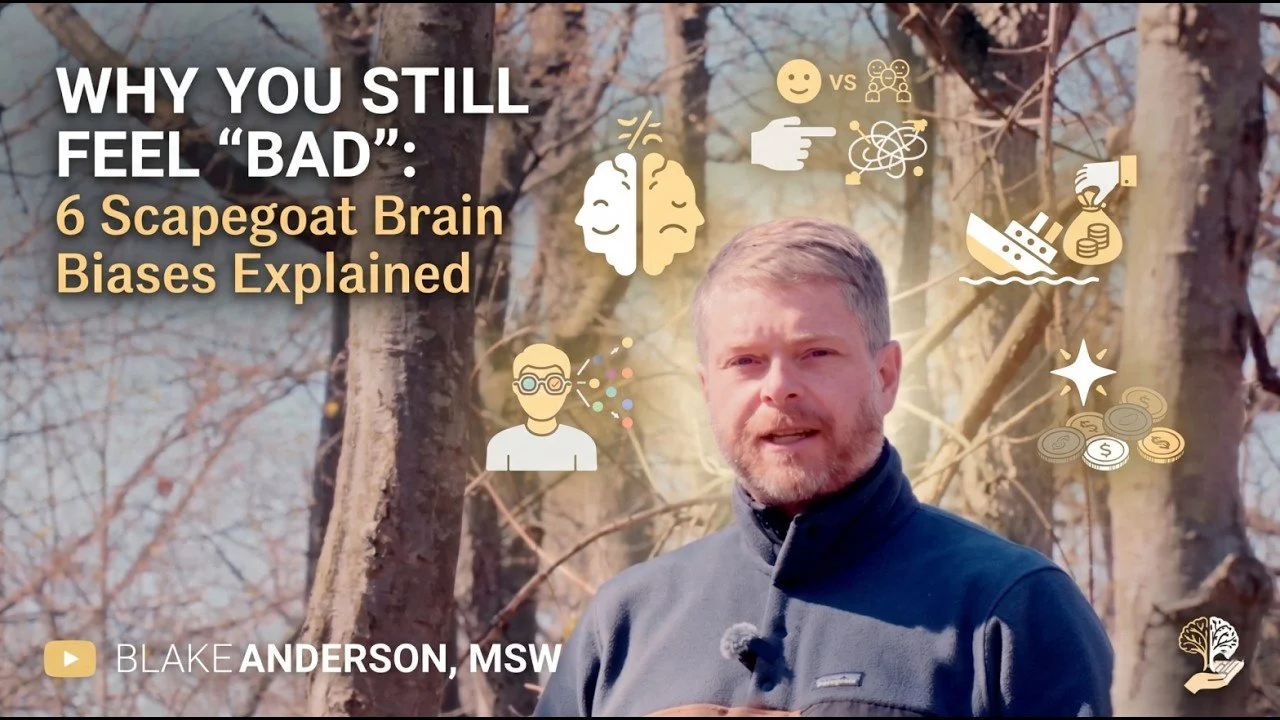
Why You Still Feel "Bad": 6 Cognitive Biases in the Scapegoat's Healing Journey
The Intergenerational Transmission Process: Why "No Contact" Alone Isn't Differentiation
Why "no contact" isn't the same as differentiation. A Toronto therapist on Bowen's intergenerational transmission process, scapegoat healing, and breaking the cycle.
Scott Peck's People of the Lie: Why Naming Evil Matters for Scapegoat Recovery
Toronto therapist Blake Anderson explores Scott Peck's People of the Lie — how malignant narcissism, scapegoating, and willful blindness shape family systems.
The Motte-and-Bailey Trap: How Narcissistic Families Weaponize Reasonable Requests
Learn how narcissistic families use motte-and-bailey tactics to disguise control as caring. Toronto therapist Blake Anderson, MSW, RSW, breaks down the rhetorical trap scapegoats face—and how to see through it
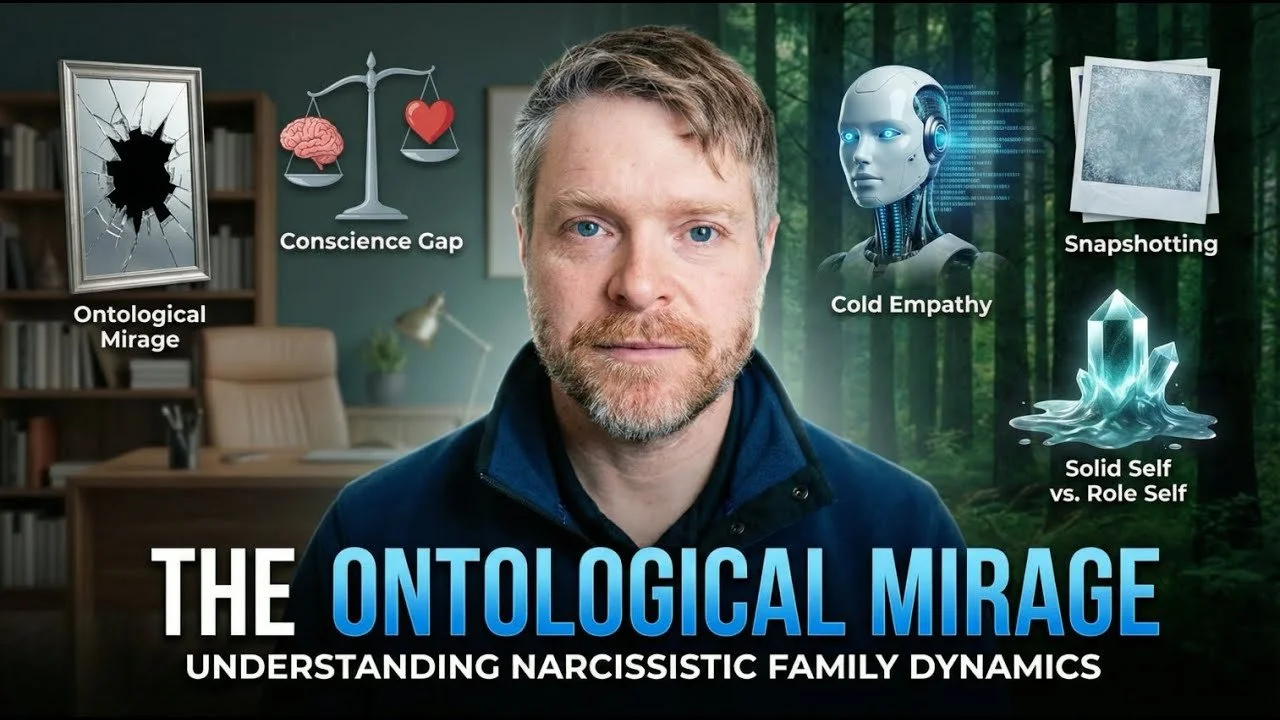
The Narcissistic Family Mirage: Why Nothing Is What It Seems
Have you ever felt like your family exists in a parallel reality — one where the rules shift depending on who is watching, and the truth is whatever the narcissist decides it is?
Why Narcissistic Families Target the Scapegoat
Why are you the target? Understand the Identified Patient role, the Dual Mothership trap, and IFS protocols to retire your assigned role for good.
The Narcissistic Double Bind: Why You Feel Trapped (And How to Break Free)
Damned if you do, damned if you don't? Learn the neuroscience behind narcissistic double binds, the conscience gap, and 3 steps to stop playing a rigged game.